


┌──────────────────────────────────────────────────────┐
A dental emergency can involve severe pain, swelling, infection, trauma, a broken tooth, or damage to a filling, crown, denture, or other restoration.
Seabreeze Dental provides prompt emergency treatment at our St. Augustine and Atlantic Beach, Florida locations. Our team evaluates the source and extent of the problem, relieves discomfort when possible, and explains the treatment options that can protect your oral health. Call the location nearest you as soon as an urgent dental problem develops. If you have uncontrolled bleeding, a suspected jaw fracture, major facial trauma, rapidly spreading swelling, or trouble breathing or swallowing, call 911 or go to the nearest hospital emergency department.
└──────────────────────────────────────────────────────┘
A dental emergency can interrupt an ordinary day without warning. A sharp toothache may begin during work, a crown may loosen while eating, or a tooth may break during a game, a fall, or an accident. In those moments, it can be difficult to know whether to wait, call a dentist, or seek hospital care. At Seabreeze Dental, we help patients make that decision with clear guidance and timely attention. Our experienced team provides emergency treatment at convenient offices in St. Augustine and Atlantic Beach, giving individuals and families across Northeast Florida access to care when an oral health problem cannot reasonably wait for a routine visit.
A dental emergency is an injury, infection, or sudden change in the mouth that needs prompt professional attention. Severe pain is one common warning sign, but pain is not the only factor. A tooth that has been knocked out may not hurt as much as expected, yet it is extremely time-sensitive. Facial swelling caused by a dental infection may begin gradually and then worsen. A cracked tooth might cause only brief sensitivity at first, even though the fracture can deepen with continued biting.
Common problems that warrant an urgent call include:
Persistent or severe tooth pain, pain when biting, or sensitivity that does not quickly resolve
A chipped, cracked, fractured, loose, displaced, or knocked-out tooth
Swelling of the gums, face, or jaw, especially when accompanied by fever or a bad taste
A dental abscess, pimple-like bump on the gums, or drainage near a tooth
A lost or broken filling, crown, bridge, denture, or other dental restoration
Bleeding from the mouth that is unusual or difficult to control
Pain or swelling associated with a wisdom tooth or an acute gum problem
An unexplained sore, spot, bump, or lesion in the mouth that causes concern
Dental pain is the body’s signal that something requires attention. While symptoms may temporarily fade, the underlying problem often remains. Tooth decay can reach the inner pulp, where nerves and blood vessels are located. A crack can allow bacteria to enter a tooth. An infection that begins around one tooth can spread into nearby tissues. Delaying an examination may narrow the available treatment options and allow a manageable problem to become more complex.
Early care also matters after an injury. When a tooth is knocked out, displaced, or fractured, the tissues around it need to be assessed promptly. Even when the visible damage appears minor, the root, pulp, bone, or neighboring teeth may have been affected. Our team can use a clinical examination and appropriate dental imaging to understand what is happening beneath the surface. This information helps us recommend care based on the actual condition of the tooth rather than its appearance alone.
The safest first step is to call Seabreeze Dental. Describe the symptoms clearly, including where the pain or swelling is located, when it began, whether an accident occurred, and whether you have a fever, difficulty swallowing, or difficulty breathing. Do not place aspirin directly against a tooth or gum because it can irritate and damage the tissue. If medication is normally safe for you, an over-the-counter pain reliever may help temporarily when taken exactly as directed on its label, but it does not replace a dental examination.
For a knocked-out permanent tooth, handle it only by the crown, which is the part normally visible in the mouth. Avoid touching or scrubbing the root. If the tooth is dirty, gently rinse it without removing attached tissue. If it can be placed back into the socket easily, keep it there without forcing it. Otherwise, keep it moist in milk or an appropriate tooth-preservation solution and contact us immediately. A knocked-out primary tooth should not be replanted because doing so may harm the developing permanent tooth beneath it.
When you arrive, we begin by learning about the problem and reviewing relevant health information. Details such as when symptoms started, what makes them better or worse, current medications, allergies, recent procedures, and any history of trauma can help guide the examination. We assess the affected tooth or area and may evaluate the gums, bite, jaw movement, nearby teeth, and facial tissues.
Digital radiography, an intraoral camera, or CBCT imaging may be used when appropriate to identify decay, infection, fractures, bone changes, or other concerns that cannot be fully evaluated by sight alone. These technologies help us look beneath the visible surface and develop a more precise understanding of the problem.
The immediate priority is to diagnose the source of the emergency and determine whether infection, structural damage, or trauma is present. We also consider whether the affected tooth can be predictably restored. Depending on the findings, treatment may be completed during the emergency appointment or performed in stages.
Some patients first need pain relief, infection control, or a temporary repair, followed by definitive treatment once the area has stabilized. Others may be able to receive the necessary restoration during the same visit. Before treatment begins, we explain the recommended procedure, answer questions, and outline any follow-up care that may be required.
The right treatment depends on the diagnosis, the condition of the tooth, the surrounding tissues, and the patient’s overall needs. Seabreeze Dental offers a broad range of restorative, preventive, surgical, and technology-supported services, allowing us to address many urgent problems and continue care when a more comprehensive solution is required.
Dental fillings, inlays, onlays, bonding, ceramic crowns, and CEREC restorations for teeth affected by decay, fractures, or failed restorations
Root canal treatment when infection or inflammation has reached the inner tissues of a restorable tooth
Dental extractions when a tooth cannot be saved or when problematic wisdom teeth create urgent symptoms
Periodontal treatment for acute gum problems, swelling, or bleeding related to periodontal disease
Repair or replacement planning for damaged crowns, bridges, dentures, fillings, and implant restorations
Dental implants, bridges, partial dentures, and complete dentures when a missing tooth requires replacement after healing
Sedation dentistry for appropriate patients who need help remaining comfortable during treatment
Digital radiography, intraoral imaging, CBCT, digital impressions, laser dentistry, and in-office dental lab capabilities that support diagnosis and treatment planning
Not every emergency requires an extraction, and not every painful tooth requires root canal treatment. A small fracture may be repaired with bonding or a filling, while a tooth with more extensive structural loss may need a crown. If decay or trauma has affected the pulp but the tooth remains restorable, root canal treatment and a protective restoration may help preserve it.
When a tooth has a severe fracture, inadequate support, or another condition that makes predictable repair impossible, extraction may be the safest recommendation. We base the treatment plan on the examination findings, diagnostic imaging, the long-term prognosis of the tooth, and the patient’s individual needs and goals.
A toothache can result from decay, a cracked tooth, an inflamed or infected pulp, gum disease, an issue around a wisdom tooth, or a damaged restoration. Because different conditions can create similar symptoms, identifying the source is essential. The location of the pain does not always identify the responsible tooth, and discomfort may radiate into the jaw, ear, or neighboring teeth.
Swelling requires particular attention. A localized bump on the gum may indicate drainage from an infected tooth, while broader facial or jaw swelling can signal a more serious problem. Dental infections do not predictably resolve without treatment.
Antibiotics may sometimes be part of emergency care, but medication alone does not remove decay, clean an infected root canal system, repair a fracture, or eliminate another source of infection. Definitive dental treatment is often needed to address the underlying cause and reduce the likelihood that the infection will return.
Go to the nearest emergency department or call 911 if swelling is rapidly spreading, extends beneath the jaw, affects the eye area, makes breathing or swallowing difficult, or is accompanied by signs of a serious systemic illness. A hospital is also the appropriate setting for suspected jaw fractures, deep facial cuts, major head or facial trauma, loss of consciousness, or bleeding that cannot be controlled. Once immediate medical risks have been addressed, dental follow-up may still be necessary.
A chipped or fractured tooth should be evaluated even when discomfort is limited. Enamel does not heal itself, and a weakened area may continue to break under normal chewing forces. The urgency depends on the size and depth of the fracture, whether the pulp is exposed, whether the tooth is loose, and whether the injury affected the root or supporting bone. Sharp edges can also cut or irritate the tongue and cheek.
If a tooth breaks, save any pieces you can find and gently rinse your mouth with water. A cold compress placed against the outside of the face may help limit swelling after an injury. Avoid chewing with the damaged tooth until it can be evaluated.
Lost fillings and crowns can expose vulnerable tooth structure and cause sensitivity to temperature, pressure, or certain foods. The remaining tooth may also fracture if it is left unprotected, particularly when chewing hard or sticky foods. Bring a lost crown or broken dental appliance to the appointment when possible.
Do not use household glue to reattach a crown or other restoration. Our team will determine whether the existing restoration can be repaired or recemented, whether a replacement is needed, or whether the tooth requires additional care before it can be restored.
Dental trauma can range from a small enamel chip to a deep fracture, displaced tooth, or tooth that has been completely knocked out. Injuries may occur during sports, outdoor activities, automobile accidents, falls, or unexpected impacts to the mouth.
Even if a tooth remains in place, trauma can damage the pulp, root, ligament, or bone supporting it. A tooth may also change color or become sensitive days or weeks after an injury. For this reason, an examination is recommended after significant dental trauma even when the tooth initially appears stable.
A displaced tooth may be pushed inward, outward, or sideways. Do not attempt to force it back into position. Contact our office immediately so the tooth and surrounding tissues can be evaluated. Prompt care may improve the possibility of stabilizing and preserving the injured tooth.
For a knocked-out permanent tooth, time is especially important. Handle the tooth carefully by the crown, keep the root moist, and call us immediately. Primary teeth should not be replanted because doing so could damage the permanent teeth developing beneath them.
Wisdom teeth are the last permanent teeth to develop and may not have enough room to erupt normally. A wisdom tooth may become partially trapped beneath the gum, grow at an angle, or remain impacted in the jaw. These conditions can lead to pain, pressure, swelling, gum inflammation, infection, or difficulty opening the mouth.
Food and bacteria may collect beneath the gum tissue surrounding a partially erupted wisdom tooth. This can cause inflammation and infection known as pericoronitis. Symptoms may include pain near the back of the mouth, swelling, a bad taste, tenderness, and discomfort when chewing or swallowing.
Our team can evaluate the position of the wisdom tooth and determine whether treatment is needed to address the immediate symptoms. Depending on the findings, care may include cleaning the area, treating infection or inflammation, monitoring the tooth, or recommending extraction.
Our goal is to preserve natural teeth whenever doing so is healthy and predictable. However, some teeth are too extensively damaged or infected to be restored successfully. An extraction may be recommended when a tooth has a deep fracture extending below the gumline, severe decay that leaves insufficient healthy structure, advanced periodontal support loss, or an infection that cannot be resolved while retaining the tooth.
Problematic wisdom teeth may also require removal when they cause repeated infections, pain, damage to neighboring teeth, or other complications. Before recommending extraction, we evaluate the tooth, review appropriate imaging, and discuss why removal may be the most reliable option.
If a tooth must be removed, we can also discuss options for replacing it after the area heals. Depending on the patient’s oral health and needs, replacement options available through Seabreeze Dental may include a dental implant, fixed bridge, partial denture, or complete denture.
Our St. Augustine office is located at 2520 US 1 South, St. Augustine, FL 32086. This location is positioned to serve patients from St. Augustine, St. Augustine Shores, St. Augustine Beach, Butler Beach, Crescent Beach, Anastasia Island, Vilano Beach, World Golf Village, and surrounding St. Johns County communities.
Whether a problem develops at home, during a school or sports activity, while visiting the historic district, or while traveling along US 1, contacting a nearby emergency dentist can shorten the time spent wondering what to do next.
New patients can call our St. Augustine office at (904) 289-3334. Existing patients can call (904) 794-4424. The office is open Monday through Thursday from 7:30 a.m. to 4:30 p.m., with Friday visits available by appointment.
Because appointment availability and clinical needs can vary, call the office directly rather than relying only on an online request when the situation is urgent. Explain your symptoms and when the problem began so our team can provide appropriate guidance.
Our Atlantic Beach office is located at 100 Royal Palms Drive, Atlantic Beach, FL 32233. We welcome patients from Atlantic Beach, Neptune Beach, Jacksonville Beach, Mayport, the Beaches communities, and nearby areas of eastern Jacksonville.
Dental injuries and infections can occur during work, meals, recreation, school, or time spent outdoors. Having an emergency dental office near the coast provides a practical option when prompt evaluation is needed.
New patients can call our Atlantic Beach office at (904) 204-2815. Existing patients can call (904) 241-5342. The office lists hours from 8:00 a.m. to 4:00 p.m. Monday through Friday, with Friday open for hygiene.
Call the office directly to explain the emergency and confirm the appropriate appointment availability for your needs. Our team can ask questions about the symptoms and help determine the safest next step.
The cost of emergency care varies because the same symptom can have several possible causes. A lost filling, an infected tooth, a fractured crown, and a knocked-out tooth require different diagnostic steps and treatments.
The total cost may depend on the examination, required imaging, the extent of the damage, and the type of treatment needed. Some patients may only require a repair or replacement restoration, while others may need root canal treatment, a crown, periodontal care, an extraction, or another procedure.
After examining the area and reviewing any necessary images, we can explain the findings and provide an estimate based on the recommended care. Our team can also help patients understand applicable insurance considerations and available payment information.
We recognize that unexpected dental treatment can create financial stress. However, postponing necessary care can allow the underlying problem to become more extensive. Calling our office gives you an opportunity to describe the problem, arrange an evaluation, and obtain information based on your specific situation.
Emergency dentistry requires clinical skill, efficient diagnosis, and calm communication. At Seabreeze Dental, our multispecialty approach and broad range of dental services allow us to evaluate urgent concerns while also considering the patient’s long-term oral health.
We use modern diagnostic and treatment technology while maintaining a personal, family-friendly approach. Patient comfort, clear explanations, and careful attention to individual needs remain central throughout the visit.
With locations in St. Augustine and Atlantic Beach, we make emergency dental care accessible to patients across St. Johns County, the Jacksonville Beaches, and surrounding Northeast Florida communities. Whether you are an existing patient or contacting us for the first time, our team will listen carefully, evaluate the problem, and explain the available treatment options.

Pain is your body's way of signaling that something is not quite right and though there are many reasons for oral pain, one of the most common complaints and reasons for seeking urgent dental care is a toothache. Whether you simply need a dental filling, a crown, or require a root canal procedure to save your tooth, we'll alleviate your discomfort and restore the look and function of the involved tooth.
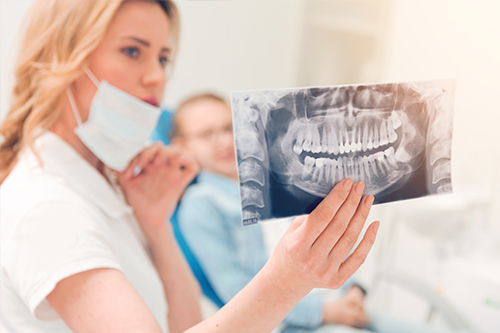
Dental trauma can result in a defect as minor as a small chip in tooth enamel to a more extensive and painful crack or fracture. With sufficient force, a tooth can even be displaced or completely knocked out of its socket. With prompt emergency care, many injured teeth can be restored and saved.
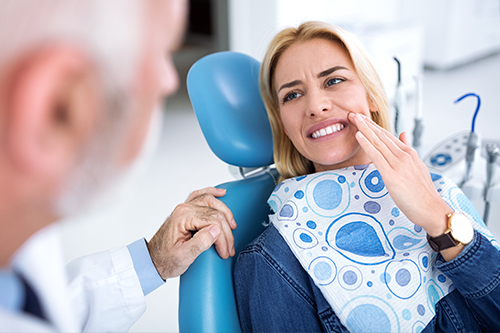
The last teeth in your mouth to develop, wisdom teeth often do not have enough room to fully erupt or may be positioned in the wrong direction. These issues can affect your dental health as well as overall well-being. Our office provides skilled care to address the complications caused by problematic wisdom teeth.
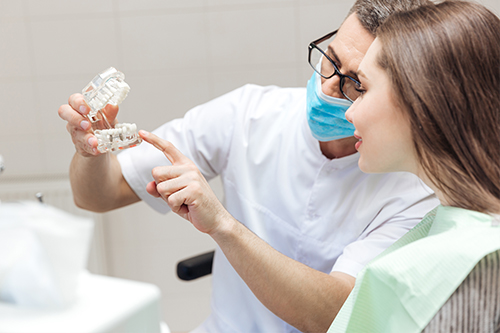
A broken or lost dental prosthesis or restoration can cause embarrassing gaps in your smile as well as compromise your ability to eat and speak with ease. If you've lost or broken a dental filling, denture, crown, or other dental appliance, you can rely on our office to perform a prompt repair or provide a durable and cosmetically pleasing replacement as quickly as possible.
At the office of Seabreeze Dental, emergency appointments are always available. Of course, in addition to providing top treatment for dental emergencies, we also welcome patients searching for high quality and affordable care. We offer a complete range of the latest and best cosmetic and dental services for every member of your family.
If you are suffering from a toothache or have sustained a dental injury, it is important to visit the dentist as soon as possible before more serious complications arise. Whether your dental emergency is painful, if it affects the appearance of your smile, or if you suspect that an infection is present, our office will make every effort to see you as promptly as possible for care.
At the office of Seabreeze Dental, we treat your dental emergency as our top priority. Our caring team will respond to your emergency call right away, making sure you get the gentle, state-of-the-art care you need without delay.
As your trusted emergency dentist in St. AugustineAtlantic Beach, we provide the highest quality of care to mitigate the stress, anxiety, and discomfort of dental problems. Our dedicated team will help you start feeling better as soon as we receive your emergency call.
At the office of Seabreeze Dental, we provide skilled and experienced care to effectively resolve a broad range of dental emergencies, restoring a patient's oral health while protecting their overall wellbeing.
However, even so, specific dental emergencies pose significant threats to one's health. These situations require immediate, emergency room care. Serious and potentially life-threatening dental emergencies include significant oral and facial trauma such as jaw fractures, deep wounds or lacerations to the face and mouth, an abscess or infection that causes widespread facial or submandibular swelling, or affects breathing and swallowing.
At the office of Seabreeze Dental, we provide prompt, skilled, and experienced care to address dental emergencies. We understand that finances are always a concern and do our best to provide options in care that are both affordable and respect your budget.
Once we've had the opportunity to examine your smile, we can give you a clear picture of any existing dental issues, along with a quote for what the cost of treatment will be. The cost of care all depends upon the extent and complexity of issues affecting the health or appearance of your smile and the types of procedures that are required.
To help alleviate any additional stress or delay, you can count on our staff to work with you to optimize coverage for your dental care and to minimize your out-of-pocket expenses. For patients without insurance, we strive to make things easier as well! We invite you to visit our financial information page or speak to an expert in our business office.
Dental emergencies are often painful and debilitating experiences. For this reason it's important to have an emergency dentist in St. AugustineAtlantic Beach, who welcomes patients with urgent dental needs while providing the prompt care required to restore oral health.
Here are just some of the reasons why so many patients choose our office for emergency dental care and to meet their family's dental needs:
We're dedicated to helping patients enjoy good oral health and beautiful smiles. We look forward to helping you keep your smile in tip-top condition. You can rest assured that our highly skilled office team will provide you the highest quality of state-of-the-art dental care and have you smiling again in no time!
To make an appointment or for more information on our office and the many state-of-the-art services we provide, give us a call today.


Quick Links